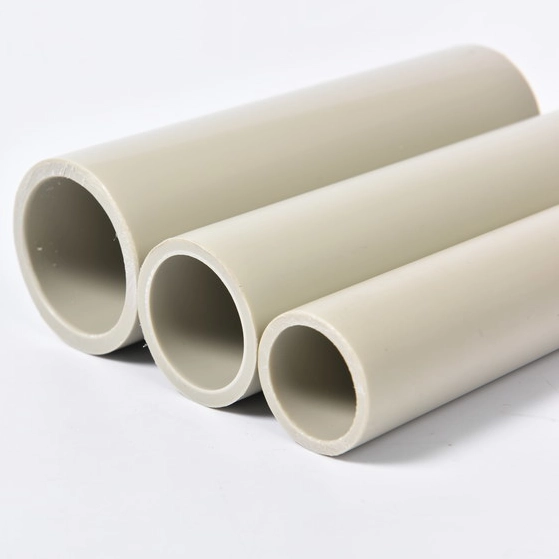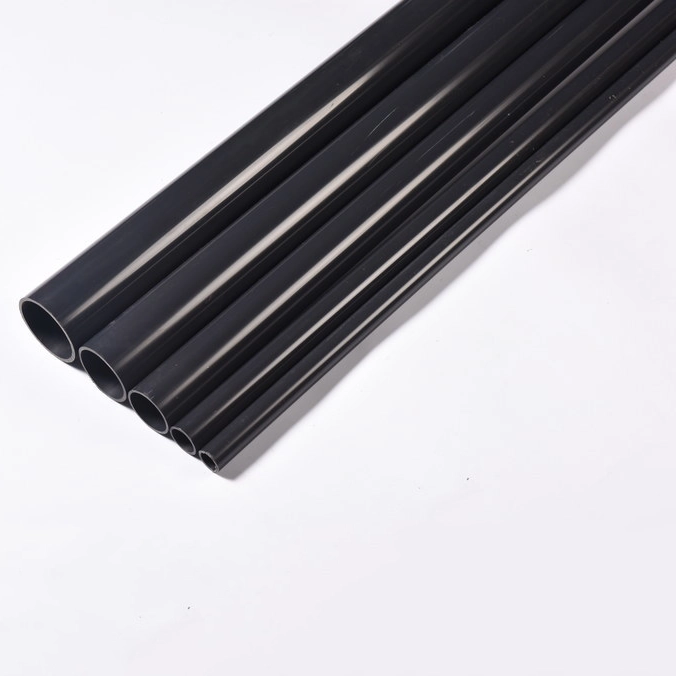
When you’re dealing with corrosive fluids, high temperatures, and industrial stress, the piping system you choose can make or break your operation. That’s where CPVC (Chlorinated Polyvinyl Chloride) comes into play. Praised for its excellent chemical resistance and durability, CPVC has become a top choice for industries that operate in some of the harshest environments on earth.
But what exactly makes CPVC so resilient? And how does it compare with alternatives like PVC or metal pipes? Let’s break it all down.
Understanding CPVC: What Makes It Chemically Resistant?
If you’ve ever wondered why CPVC is the go-to material for chemical plants, water treatment systems, and industrial drainage lines—it all comes down to its unique molecular structure.
CPVC vs PVC vs Metal Pipes
While PVC is certainly popular, CPVC takes the performance one step further by undergoing a chlorination process. This enhances several characteristics:
- Better chemical resistance
- Higher temperature tolerance
- Greater mechanical strength
Compared to metal pipes, CPVC avoids the big enemy: corrosion. Metal may look tough, but chemicals, salts, and acids can eat it alive. CPVC simply doesn’t have that weakness.
Key Properties That Enable CPVC to Thrive in Harsh Environments
1. High Chemical Resistance
One of the biggest benefits of CPVC is that it can handle a long list of chemicals without degrading. This includes:
- Acids
- Alkalis
- Salts
- Industrial solvents
This chemical resistance makes CPVC ideal for applications where aggressive fluids are constantly present.
2. Superior Temperature Tolerance
Regular PVC maxes out around 60°C (140°F), but CPVC?
It can handle up to 93°C (200°F) safely. This gives it a major advantage in applications involving hot water, industrial processing, or elevated ambient temperatures.
3. Fire Resistance and Low Smoke Production
CPVC naturally resists ignition. Even if exposed to a flame, it self-extinguishes once the ignition source is removed. For industries where fire hazards are a serious concern, this makes CPVC a reliable choice.
How CPVC Pipes Perform in Harsh Industrial Environments
Chemical Processing Facilities
In chemical plants, where exposure to acids and solvents is routine, CPVC holds strong. The material won’t corrode or weaken when in contact with aggressive substances—unlike many metal alloys.
Water Treatment & Reverse Osmosis Systems
Reverse osmosis systems often use chemicals for cleaning and maintenance. CPVC resists scaling, corrosion, and chemical attack, which makes it ideal for brine lines, dosing lines, and wastewater management.
This is also an area where companies like Sikerui Pipe have become well recognized for supplying durable CPVC systems tailored for RO and water treatment applications.
Mining and Metallurgy Operations
Mining environments are unforgiving—abrasive slurries, corrosive liquids, and pressure fluctuations are constant. CPVC handles these challenges with ease due to its strong chemical and temperature resistance.
Corrosive Waste and Drainage Applications
In industrial drainage, chemical waste can be extremely harsh. CPVC’s smooth interior prevents buildup, while its corrosion-proof design ensures long service life even in the toughest conditions.
Real-World Performance Advantages of CPVC Pipes
Long-Term Durability
Because CPVC resists corrosion, scaling, and chemical attack, it delivers decades of reliable performance—much longer than many traditional pipe materials.
Low Maintenance Requirements
Metal pipes often require coatings, liners, or constant inspections. CPVC eliminates those concerns, offering a virtually maintenance-free solution.
Cost Efficiency Over Time
Sure, CPVC might cost more upfront than some plastic alternatives, but its durability, low maintenance needs, and long service life reduce total cost of ownership dramatically.
Common Environmental Challenges CPVC Pipes Can Handle
Corrosion & Abrasion
Industrial fluids can destroy unprotected piping systems. CPVC stands firm against corrosion and resists abrasive wear due to its tough polymer structure.
High Salinity Environments
Seawater? Salt-heavy waste? Brine lines?
CPVC doesn’t react to high salinity, making it perfect for desalination plants and marine environments.
Outdoor Exposure and UV Conditions
Modern CPVC pipes—especially those from reputable manufacturers—are formulated with UV-resistant additives. This allows them to maintain structural integrity even under long-term outdoor exposure.
Installation and Handling: Why CPVC Performs Better
Lightweight and Easy to Fabricate
CPVC pipes are significantly lighter than metal, making installation faster, safer, and more cost-effective. Contractors appreciate that CPVC can be cut, joined, and installed with minimal equipment.
Secure and Reliable Joining Methods
CPVC uses solvent cement or flanged connections that create strong, leak-free joints. These connections essentially “weld” the pipe and fittings together, forming a monolithic system.
Why Industries Prefer CPVC Over Alternative Materials
Safety & Compliance Standards
High-quality CPVC piping systems often meet international standards:
- ASTM
- ISO
- NSF
- DIN
Choosing a CPVC system that meets these standards ensures long-term safety and compliance in demanding industrial conditions.
Sustainability and Environmental Benefits
CPVC production has a lower carbon footprint compared to many metal materials. Its long lifespan also reduces waste and replacement cycles.
Choosing a High-Quality CPVC Manufacturer
Not all CPVC pipes are created equal. The supplier you choose matters—a lot.
What to Look For in a Reliable Supplier
- Strict quality control
- Certifications and compliance records
- Proven experience in industrial applications
- Ability to provide customized solutions
Why Sikerui Pipe Is a Trusted Global Partner
When you’re working with harsh chemicals or high temperatures, you can’t risk poor-quality materials. Sikerui Pipe provides industrial-grade CPVC piping systems engineered for stability, durability, and performance in some of the toughest environments.
Their products are widely used in:
- Water treatment
- Reverse osmosis systems
- Chemical processing
- Acid/alkali transfer
- Industrial drainage
You can learn more about their solutions at:
Conclusion
Chemical-resistant CPVC pipes are an exceptional choice for industries dealing with corrosive fluids, extreme temperatures, and demanding environmental conditions. Their durability, chemical stability, and long-term cost efficiency make them a practical, high-performance solution.
If you’re searching for reliable CPVC piping systems that stand up to harsh environments, partnering with a trusted manufacturer like Sikerui Pipe ensures you get the quality and performance your operations demand.