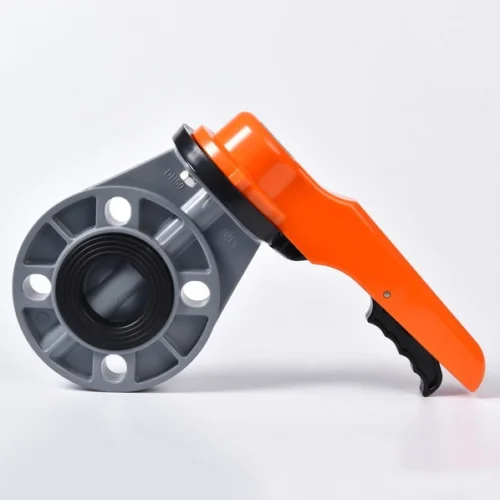
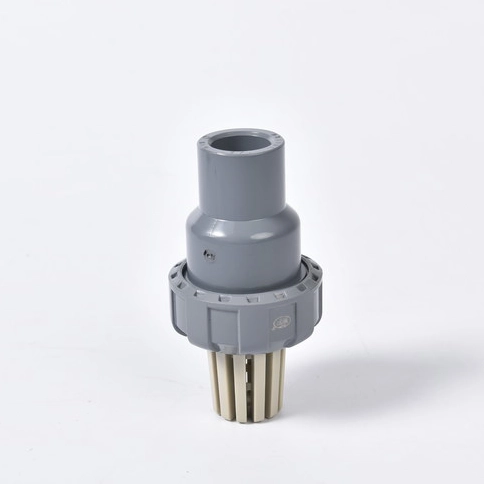
Ball Bottom Valve

Send Inquiry

Overview of Ball Bottom Valve

A Ball Bottom Valve, also known as a tank bottom valve or discharge ball valve, is a specialized flow control device engineered for installation at the lowest point of tanks, reactors, and process vessels to facilitate complete drainage and eliminate fluid retention . Designed with an angled or vertical stem configuration, this valve features a unique geometry that directs the valve seat perpendicular to the flow path, enabling zero-residue discharge and preventing sediment accumulation in critical processing equipment . Manufactured to international standards including ISO 5211, API 6D, and ASME B16.5, ball bottom valves are available in materials such as stainless steel (304/316), carbon steel, and specialized alloys, with pressure ratings spanning PN10 to PN16 (150-300 PSI) and temperature tolerance from -30°C to 180°C .
The innovative design incorporates a full-bore ball mechanism​ that rotates 90 degrees to create an unobstructed flow path, ensuring minimal pressure drop and complete media evacuation . With connection options including flange, threaded, tri-clamp, and socket weld configurations, these valves serve critical functions in industries requiring hygienic processing, corrosive fluid handling, and efficient vessel evacuation . Their compact design and angled installation optimize space utilization while providing reliable shut-off capabilities, with a service life exceeding 100,000 cycles in demanding applications .

Key Features of Ball Bottom Valve

Zero-Residue Design

Ball bottom valves incorporate a geometrically optimized flow path​ that eliminates stagnant zones and dead legs, ensuring complete drainage without product accumulation . The valve seat orientation relative to the tank bottom creates a natural drainage angle, preventing material buildup that could compromise product purity or facilitate bacterial growth . This design is particularly valuable in pharmaceutical, food, and chemical processing where batch integrity and cross-contamination prevention are critical .

Hygienic and Sanitary Construction

Manufactured in compliance with 3A, FDA, and EHEDG standards, these valves feature polished interior surfaces (Ra ≤ 0.8 μm) and self-draining geometries that meet strict hygienic requirements . The materials used (typically 316L stainless steel or equivalent) prevent microbial adhesion and withstand aggressive cleaning-in-place (CIP) and sterilization-in-place (SIP) procedures, making them ideal for aseptic processing and high-purity applications .

High-Performance Sealing System

The ball bottom valve employs advanced sealing technologies​ including PTFE, reinforced PTFE, or metal-to-metal seats that maintain bubble-tight shut-off even under extreme temperature and pressure fluctuations . The stem sealing system utilizes multiple lip seals or spring-loaded packing arrangements that prevent leakage along the stem while maintaining smooth operation throughout the valve’s service life .

Versatile Actuation Options

Designed with ISO 5211 mounting pads, these valves support manual, pneumatic, electric, and hydraulic actuation methods, allowing for seamless integration into automated process systems . The standardized mounting interface enables quick actuator changes without valve removal, reducing downtime during system modifications or maintenance operations . Electric and pneumatic actuators can be equipped with positioners, limit switches, and feedback systems for precise flow control and remote monitoring .

Robust Construction Materials

Ball bottom valves are available in material grades matched to application requirements, including 316L stainless steel for corrosive applications, carbon steel for high-pressure services, and specialty alloys for extreme temperatures or abrasive media . The internal wetted components can be furnished with various coatings and surface treatments to enhance wear resistance, corrosion protection, and non-stick properties based on specific process needs .

Typical Applications of Ball Bottom Valve

Pharmaceutical and Bioprocessing

In pharmaceutical manufacturing, ball bottom valves provide aseptic discharge​ from reactors, fermenters, and mixing vessels while maintaining sterile conditions . The zero-residue design prevents cross-contamination between batches, while the sanitary construction withstands repeated SIP cycles with steam at 121°C-140°C . These valves are essential in critical process steps where product purity and validation compliance are mandatory requirements .

Food and Beverage Industry

Food processing applications utilize ball bottom valves for complete evacuation​ of mixing tanks, storage vessels, and processing equipment in dairy, brewing, and sauce production . The hygienic design with polished surfaces and crevice-free construction prevents bacterial harborage points, while the self-draining characteristics minimize product waste and facilitate cleaning between production runs .

Chemical and Petrochemical Plants

In chemical processing, ball bottom valves handle corrosive and abrasive media​ in reactors, distillation columns, and storage tanks . The robust construction materials (including Hastelloy, titanium, and duplex stainless steels) resist chemical attack, while the full-bore design minimizes pressure drop and prevents clogging in slurry services . Fire-safe designs with metal seats provide emergency protection in hydrocarbon service .

Mining and Mineral Processing

The mining industry employs ball bottom valves for abrasive slurry handling​ in thickeners, clarifiers, and processing tanks . The wear-resistant materials and erosion-resistant trim options extend service life in high-abrasion applications, while the straight-through flow path minimizes turbulence that can accelerate component wear in slurry services .

Technical Specifications

Table: Standard Ball Bottom Valve Specifications
Parameter
Specification Range
Standards
Size Range
DN15 to DN200 (½” to 8″)
ISO 5211, ASME B16.5
Pressure Rating
PN10 to PN16 (150-300 PSI)
API 6D, ASME B16.34
Temperature Range
-30°C to 180°C (up to 200°C special)
Material-dependent
Connection Types
Flange, Threaded, Tri-Clamp, Socket Weld
ISO, DIN, SMS standards
Valve Operation
Manual Lever, Gear, Pneumatic, Electric
ISO 5211 mounting
Seat Materials
PTFE, Reinforced PTFE, Metal, PEEK
FDA-compliant options
Standards Compliance
3A, FDA, EHEDG, PED, CE
Industry certifications

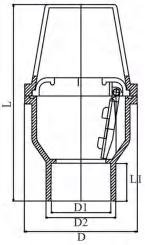
SIZE Number D D1 D2 L L1
1-1/2″(DN40) FD40 105.00 50.45 60.50 200.00 37.70
2″(DN50) FD50 124.20 63.50 75.90 220.00 38.30
2-1/2(DN65) FD65 145.00 75.50 88.91 260.00 44.80
3″(DN80) FD80 163.00 90.55 105.15 300.00 56.70
4″(DN100) FD100 190.00 110.60 127.39 370.00 75.10
5″(DN125) FD125 247.00 140.60 164.40 400.00 95.00
6″(DN150) FD150 270.00 160.70 184.50 485.00 99.90
8″(φ200) FD200 344.60 200.90 225.00 510.00 124.80

Frequently Asked Questions (FAQs)

Q1: What makes ball bottom valves superior to standard ball valves for tank discharge applications?
Ball bottom valves feature a specialized orientation and flow path​ that directs the valve seat perpendicular to the flow direction, enabling complete drainage without fluid retention . Standard ball valves installed in horizontal piping inevitably leave residual fluid, while the optimized geometry of ball bottom valves ensures zero residue discharge, making them essential for applications requiring complete evacuation or batch integrity .
Q2: Can ball bottom valves handle abrasive or slurry media effectively?
Yes, specifically designed ball bottom valves incorporate abrasion-resistant materials​ and wear-compensating seats that maintain sealing integrity in slurry services . Special trim options including hardened balls, tungsten carbide coatings, and reinforced seat materials extend valve life in abrasive applications, while the full-bore design minimizes turbulence that accelerates erosion in standard valves .
Q3: What maintenance is required for ball bottom valves in continuous service?
Ball bottom valves are designed for minimal maintenance​ with self-lubricating seats and corrosion-resistant materials that withstand years of continuous operation . Routine maintenance typically involves periodic stem packing adjustment and visual inspection of the sealing surfaces during planned shutdowns, with major overhaul intervals typically exceeding 5 years in standard applications .
Q4: How do I select the appropriate seat material for my application?
Seat material selection depends on temperature, media compatibility, and operating conditions​ . PTFE seats work for most chemical applications up to 180°C, while reinforced PTFE handles higher temperatures and pressures. Metal seats are necessary for fire-safe requirements or extreme temperatures above 250°C. Always consult compatibility charts and consider the cleanability requirements for your specific media .
Q5: Are ball bottom valves available with special certifications for regulated industries?
Yes, ball bottom valves can be supplied with industry-specific certifications​ including 3A sanitary for food/pharmaceutical, PED for pressure equipment, and NACE MR0175 for sour service . These certifications include full material traceability, manufacturing records, and performance testing documentation to meet regulatory requirements in critical applications .
daiwang@skrpipe.com
+86 153-703-27218
Whatsapp