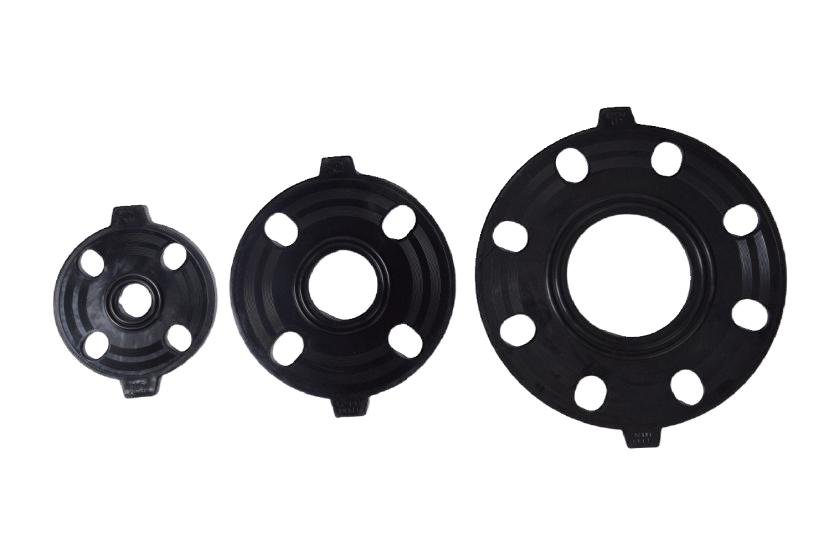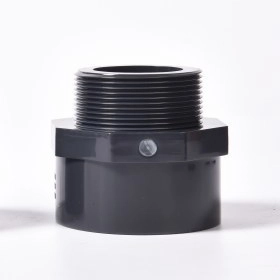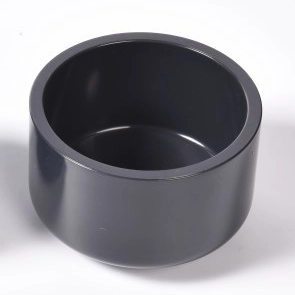
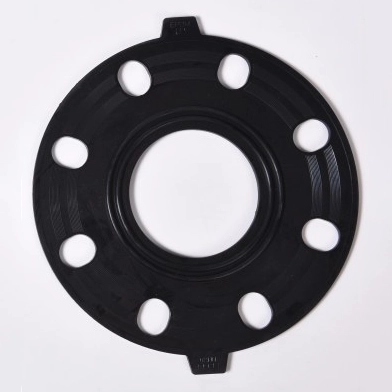
Flange Gasket (EPDM)

Send Inquiry

Overview of EPDM Flange Gasket

EPDM Flange Gaskets​ are critical sealing components engineered from ethylene-propylene-diene monomer (EPDM) synthetic rubber, designed to create leak-proof seals in flange connections across piping systems . These gaskets excel in demanding environments where resistance to weathering, steam, and chemical corrosion is essential, including water supply, chemical processing, drainage systems, and agricultural irrigation . Manufactured to comply with international standards such as ISO 2852, DIN 11851, and SMS, EPDM gaskets maintain their sealing integrity under temperature extremes from -34°C to +149°C, offering a service life exceeding decades with minimal maintenance . Their flexibility, combined with excellent tensile strength and resilience, makes them a superior alternative to traditional sealing materials, ensuring reliable performance in industrial, pharmaceutical, and food processing applications .

Key Features of EPDM Flange Gasket

1. Exceptional Chemical Resistance

EPDM Flange Gaskets demonstrate superior resistance​ to a wide range of chemicals, including weak acids, alkalis, alcohols, and oxidizing agents . They are particularly effective in handling steam, hot water, and animal/vegetable oils, making them ideal for food, pharmaceutical, and chemical industries . However, they are not recommended for use with mineral oils, petroleum-based fuels, solvents, and aromatic hydrocarbons .

2. Excellent Weathering and Temperature Resistance

These gaskets maintain performance under extreme environmental conditions, exhibiting outstanding resistance to ozone, UV radiation, and weathering . With an operational temperature range of -34°C to +149°C, they can withstand low-pressure steam applications up to 148°C without remolding, melting, or losing their sealing properties .

3. Durability and Flexibility

EPDM Flange Gaskets offer exceptional mechanical properties, including good tensile strength, abrasion resistance, and flexibility . The material’s inherent elasticity allows for effective sealing even under low bolt tightening torque, and it quickly returns to its original shape after compression, ensuring long-term sealing performance .

4. Hygienic and Regulatory Compliance

These gaskets meet stringent hygienic standards​ for applications requiring cleanliness and safety, including certifications from FDA, USP Class VI, 3A, and ADI Free . This makes them suitable for potable water systems, food processing, pharmaceutical manufacturing, and other industries where non-toxic, contamination-free sealing is critical .

Typical Applications of EPDM Flange Gasket

Water Supply and Treatment Systems

EPDM Flange Gaskets are extensively used in potable water systems​ due to their non-toxic properties and compliance with drinking water safety standards . They prevent scaling and deposit buildup, ensuring hygienic water transport in municipal and residential applications .

Chemical and Industrial Processing

In chemical plants, manufacturing facilities, and industrial complexes, EPDM gaskets provide corrosion-resistant sealing​ for aggressive chemical media including acids, alkalis, and alcohols . Their chemical resistance makes them suitable for pharmaceutical production, chemical processing, and petrochemical applications .

Food and Pharmaceutical Industries

The hygienic properties​ and regulatory compliance of EPDM gaskets make them ideal for food processing, beverage production, and pharmaceutical manufacturing . They maintain product purity while withstanding cleaning processes and steam sterilization .

Heating, Ventilation, and Steam Applications

With their high-temperature resistance, these gaskets are employed in HVAC systems, low-pressure steam lines, and heating applications . They maintain seal integrity under thermal cycling, making them reliable for energy distribution systems .

Technical Specifications

Table: Standard EPDM Flange Gasket Specifications
Parameter
Specification
Standards/Applications
Material
EPDM (Ethylene Propylene Diene Monomer)
Synthetic rubber compound
Hardness
68A (Approx. 70±5°ShA)
Standard hardness
Temperature Range
-34°C to +149°C (up to 204°C for PTFE-bonded)
Continuous operation
Pressure Rating
PN ≤ 25 bar
Standard pressure classes
Color
Black, White, Blue (standard options)
Material-dependent
Standards
ISO 2852, DIN 11851, SMS, BS 4825
International standards

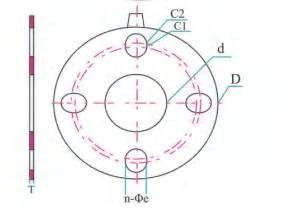
SIZE Number D1 D2 D3 L1 nφe
DN15 FLD15 95 56 17 3 4-φ18
DN20 FLD20 105 75 20 3 4-φ18
DN25 FLD25 115 85 26 3 4-φ18
DN32 FLD32 140 100 34 3 4-φ18
DN40 FLD40 150 110 44 3 4-φ18
DN50 FLD50 165 125 55 3 4-φ18
DN65 FLD65 185 145 68 3 4-φ18
DN80 FLD80 200 160 76 4 8-φ18
DN100 FLD100 220 180 97 4 8-φ18
DN125 FLD125 250 210 130 4 8-φ18
DN150 FLD150 285 240 150 4.5 8-φ22
DN200 FLD200 340 295 210 4.5 8-φ22
DN250 FLD250 405 355 260 4.5 12-φ26
DN300 FLD300 445 400 310 4.5 12-φ26
DN350 FLD350 510 460 360 4.5 16-φ26
DN400 FLD400 570 515 400 4.5 16-φ26

Frequently Asked Questions (FAQs)

Q1: What are the limitations of EPDM Flange Gaskets regarding chemical compatibility?
While EPDM offers excellent resistance to polar substances like hot water, steam, acids, alkalis, and alcohols, it is not recommended​ for use with non-polar materials such as petroleum-based oils, fuels, mineral oils, solvents, and aromatic hydrocarbons . For these applications, alternative materials like FKM/FPM (Viton) or NBR gaskets should be considered .
Q2: Can EPDM Flange Gaskets be customized for specific application requirements?
Yes, EPDM Flange Gaskets can be tailored to meet specific project requirements. Customization options include dimensions​ (from DN10 to DN400 and beyond), special colors​ for identification, and variations in thickness and hardness​ to suit different flange designs and operating conditions .
Q3: What is the typical service life of EPDM Flange Gaskets?
EPDM Flange Gaskets offer an extended service life​ often exceeding 10-15 years in appropriate applications, thanks to their excellent resistance to aging, ozone, UV radiation, and thermal degradation . Actual lifespan depends on operating conditions, including temperature extremes, chemical exposure, and pressure cycling.
Q4: How do EPDM Flange Gaskets compare to PTFE-bonded or composite gaskets?
Standard EPDM gaskets offer good general chemical resistance and flexibility, while PTFE-bonded EPDM gaskets​ provide enhanced chemical resistance, particularly for highly corrosive media, and can operate at higher temperatures (up to 204°C) . The PTFE layer offers non-stick properties and broader chemical compatibility, while the EPDM core provides elasticity for effective sealing .
Q5: What standards and certifications do EPDM Flange Gaskets carry?
Quality EPDM Flange Gaskets typically comply with various international standards​ (e.g., ISO 2852, DIN 11851, SMS, BS 4825) and hold important certifications​ including FDA, USP Class VI, 3A, and ADI Free, ensuring their suitability for hygienic applications . They may also conform to technical standards such as PN-EN 1514-1 for dimensional consistency .
daiwang@skrpipe.com
+86 153-703-27218
Whatsapp