Pipe Blockage

Send Inquiry

Overview of Pipe Blockage Challenges

Pipe Blockage​ represents a critical operational challenge in industrial, residential, and municipal pipeline systems, requiring specialized solutions for effective resolution. These obstructions can occur due to various factors including solid accumulation, mineral deposits, foreign objects, and structural defects, compromising flow efficiency and system integrity. Professional pipe blockage solutions encompass advanced technologies ranging from high-pressure water jetting and mechanical augers to chemical treatments and pneumatic burst systems, designed to address different blockage types and severity levels. With applications spanning drainage systems, sewage networks, industrial processing lines, and domestic plumbing, these solutions ensure restored flow capacity and prevent potential damage to pipeline infrastructure. Modern blockage removal technologies can typically resolve 85-90% of obstruction cases without requiring pipe replacement, offering significant cost savings over traditional excavation methods.

Key Features of Professional Pipe Blockage Solutions

Advanced Mechanical Augering Systems

Professional-grade drain augers feature powerful rotary cutting heads capable of breaking through tough obstructions including tree roots, hardened grease, and mineral deposits. These systems utilize flexible shaft cables that can navigate pipe bends and junctions, with various cutter head designs optimized for specific blockage types. Heavy-duty units can clear pipes from 40mm to 800mm in diameter, reaching up to 60 meters in length for comprehensive obstruction removal.

High-Pressure Water Jetting Technology

High-pressure water jetting systems employ specialized nozzles that generate focused water streams at pressures ranging from 1,500 to 4,000 PSI, effectively dislodging even the most stubborn blockages. The technology utilizes both forward and backward jetting action to clear debris while simultaneously scouring pipe walls, restoring original flow capacity. This method is particularly effective for grease accumulation, sediment buildup, and partial collapses in pipes up to 36 inches in diameter.

Pneumatic Drain Blasters

Pneumatic drain blasters use controlled air pressure bursts to create powerful shockwaves that instantly clear obstructions in toilets, sinks, and drainage systems. These systems typically feature multiple suction cup sizes for different fixture types and can generate sufficient force to clear blockages up to 20 meters into the pipeline. The quick-connect fittings and portable designs make them ideal for rapid response situations where minimal downtime is critical.

Chemical and Enzymatic Treatments

Professional chemical solutions include concentrated acid-based formulas for mineral deposit dissolution and enzymatic treatments for organic matter decomposition. These products are specifically engineered to target different blockage types including urine scale, soap scum, grease, and food particles, with some formulas capable of dissolving obstructions within 30 minutes of application. Advanced formulations also incorporate corrosion inhibitors to protect pipe integrity during the cleaning process.

Pipeline Assessment and Diagnostics

Modern pipe blockage solutions incorporate diagnostic technologies including pipeline robots and camera systems that provide visual assessment of obstruction characteristics and location. These systems can identify the exact nature of blockages, allowing for targeted treatment selection and minimizing unnecessary invasive procedures. Documentation capabilities also facilitate condition assessment and preventive maintenance planning.

Typical Applications of Pipe Blockage Solutions

Municipal Sewer and Drainage Systems

Professional blockage solutions address root intrusion, sediment accumulation, and structural deformation in municipal wastewater systems. Technologies including sectional mechanical augers and high-pressure water jetters can clear blockages in pipes up to 36 inches in diameter, restoring flow capacity without excavation. These methods are particularly valuable for historical districts where pipe replacement is impractical or prohibitively expensive.

Industrial Processing Pipelines

Industrial applications require specialized approaches for chemical residue, product accumulation, and scaling in process pipelines. High-pressure water jetting combined with targeted chemical treatments effectively removes production-related obstructions while maintaining operational safety standards. The non-destructive nature of these methods prevents damage to specialized lining and pipe materials critical to industrial processes.

Residential Plumbing Networks

Residential blockages typically involve grease, hair, soap scum, and foreign objects in smaller diameter pipes (1.5-4 inches). Professional solutions utilize motorized drain cleaners, hydro-jetting units, and enzymatic treatments that safely clear obstructions without damaging plumbing fixtures. Rapid-response capabilities minimize property damage and restoration costs for homeowners.

Food Service and Hospitality Industries

Grease and organic waste accumulation present unique challenges in restaurant and commercial kitchen environments. Professional blockage solutions for these applications combine high-temperature water jetting with industrial-grade degreasers to effectively clear obstructions while addressing odor concerns. Preventive maintenance programs significantly reduce emergency service requirements in these high-usage environments.

Emergency Response and Disaster Recovery

Catastrophic blockages resulting from floods, structural collapses, or system failures require specialized emergency response capabilities. These solutions incorporate high-volume vacuum trucks, powered sectional rods, and inspection cameras to address critical situations where public health or property damage concerns are present. Rapid deployment capabilities ensure minimal community impact during crisis situations.

Technical Specifications

Table: Standard Pipe Blockage Solution Specifications
Parameter
Specification Range
Applications
Pipe Diameter Range
40mm to 800mm (1.5″ to 32″)
Residential to municipal systems
Operating Pressure
Up to 4,000 PSI (water jetting)
Industrial-grade cleaning
Reach Capacity
Up to 60 meters (mechanical augers)
Deep line obstructions
Chemical Concentration
10-95% active ingredients
Variable blockage severity
Temperature Tolerance
-20°C to 250°F
Various environmental conditions
Response Time
30 minutes to 4 hours
Emergency service standards

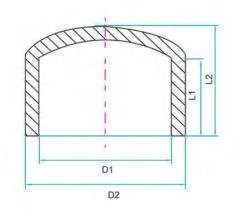
SIZE Number D1 D2 L1 L2
DN15 GD15 20.3 26.3 16.5 21.81
DN20 GD20 25.3 31.9 19 25.68
DN25 GD25 32.35 39.95 22.5 30.62
DN32 GD32 40.4 49.8 26.5 36.81
DN40 GD40 50.45 60.25 31.5 44.68
DN50 GD50 63.5 75.9 38 53.81
DN65 GD65 75.5 88.91 44 62.44
DN80 GD80 90.55 105.15 51.5 73.11
DN100 GD100 110.6 127.39 61.5 84.27
DN125 GD125 140.6 161.4 76 110.06
DN150 GD150 160.7 184.5 86.5 125.9
dn200 GD200 200 228.1 107.37 147
DN200 GD200 226.2 253.8 118.5 170.58
dn250 GD250 250 283.4 131.5 180
DN250 GD250 281.5 314.8 147 213
DN300 GD300 316.7 344.5 165 216
DN350 GD350 356.8 395 185 252
DN400 GD400 402 442 208 285
DN350 (PN10) GD350 356.8 386.2 183.5 255
DN400 (PN10) GD400 402 432.7 208 296

Frequently Asked Questions (FAQs)

Q1: What factors determine the most appropriate pipe blockage solution for a specific situation?
Selection depends on multiple factors including pipe material, diameter, obstruction type, accessibility, and environmental considerations. Professional assessment typically involves camera inspection to identify the obstruction characteristics before determining the optimal approach, whether mechanical, hydro-jetting, chemical, or a combination methodology.
Q2: Are professional pipe blockage solutions safe for all pipe materials?
Advanced solutions are designed for compatibility with common pipe materials including PVC, cast iron, clay, and concrete. However, specific approaches must be selected based on pipe condition and material characteristics, with pressure-adjusted hydro-jetting for fragile pipes and chemical solutions formulated for material compatibility.
Q3: What is the typical response time for emergency blockage clearance services?
Professional service providers typically respond within 2-4 hours for emergency situations, with resolution times ranging from 30 minutes for simple obstructions to several hours for complex blockages in large-diameter or inaccessible pipes. Many providers offer 24/7 emergency response capabilities for critical situations.
Q4: How do preventive maintenance programs reduce blockage incidents?
Scheduled maintenance utilizing hydro-jetting and mechanical cleaning at 3-6 month intervals prevents accumulation that leads to major blockages. These programs typically reduce emergency calls by 60-80% and extend pipeline service life by preventing corrosive damage from stagnant debris.
Q5: What safety protocols govern professional pipe blockage resolution?
Comprehensive safety protocols include confined space entry procedures, hazardous atmosphere monitoring, personal protective equipment requirements, and traffic control measures for municipal work sites. These protocols ensure compliance with OSHA regulations and industry best practices for worker and public safety.
daiwang@skrpipe.com
+86 153-703-27218
Whatsapp